The Nepal Federation of Indigenous Nationalities (NEFIN) is a national umbrella organization representing the Indigenous Peoples of Nepal. Established in 1991, NEFIN brings together the voices of 59 recognized Indigenous nationalities through a broad network of member organizations across the country.
NEFIN truly represents Nepal’s Indigenous Peoples, who constitute nearly 35% of the country’s total population, according to the 2021 Census. Since its establishment, NEFIN has been working to protect the rights of Indigenous Peoples over their ancestral domains, traditional lands, territories, and natural resources, as well as their cultural heritage, history, languages, scripts, cultures, traditions, and identities.
As an autonomous and non-partisan institution, NEFIN is committed to promoting and protecting the rights, identities, cultures, languages, and traditional knowledge systems of Indigenous communities. It plays a vital role in advocating for inclusive policies, social justice, and the meaningful participation of Indigenous Peoples in state governance and development processes.
NEFIN has played a historical role in the establishment of secularism, proportional representation, and federalism in Nepal. With strong engagement at the local, national, and international levels, NEFIN works collaboratively with government bodies, civil society, and global partners to advance the principles of equality, self-determination, and sustainable development for Indigenous Peoples in Nepal.
NEFIN’s greatest strength is its extensive network among Nepal’s Indigenous Peoples, both within and outside the country. Through this network, NEFIN continues to strengthen Indigenous voices, promote their rights and representation, and contribute to building an inclusive, just, and equitable Nepal.
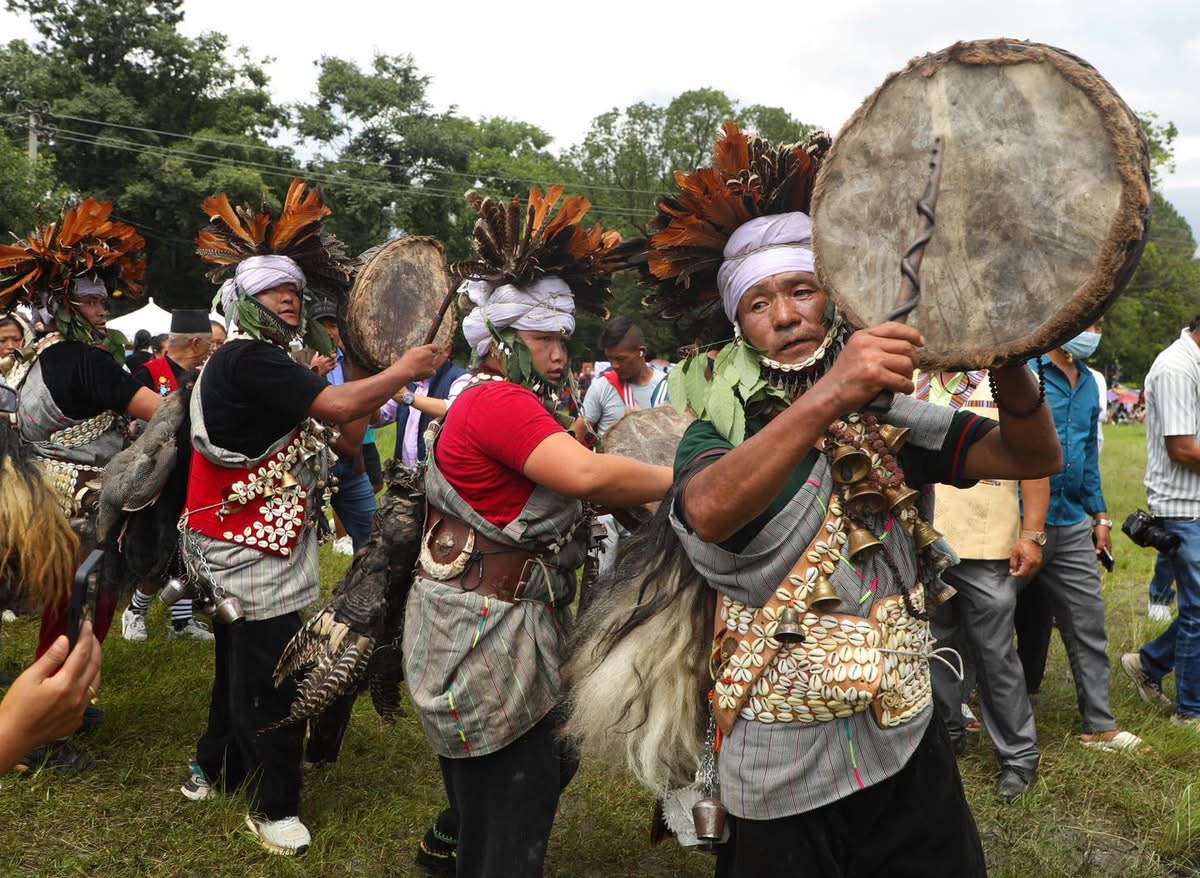
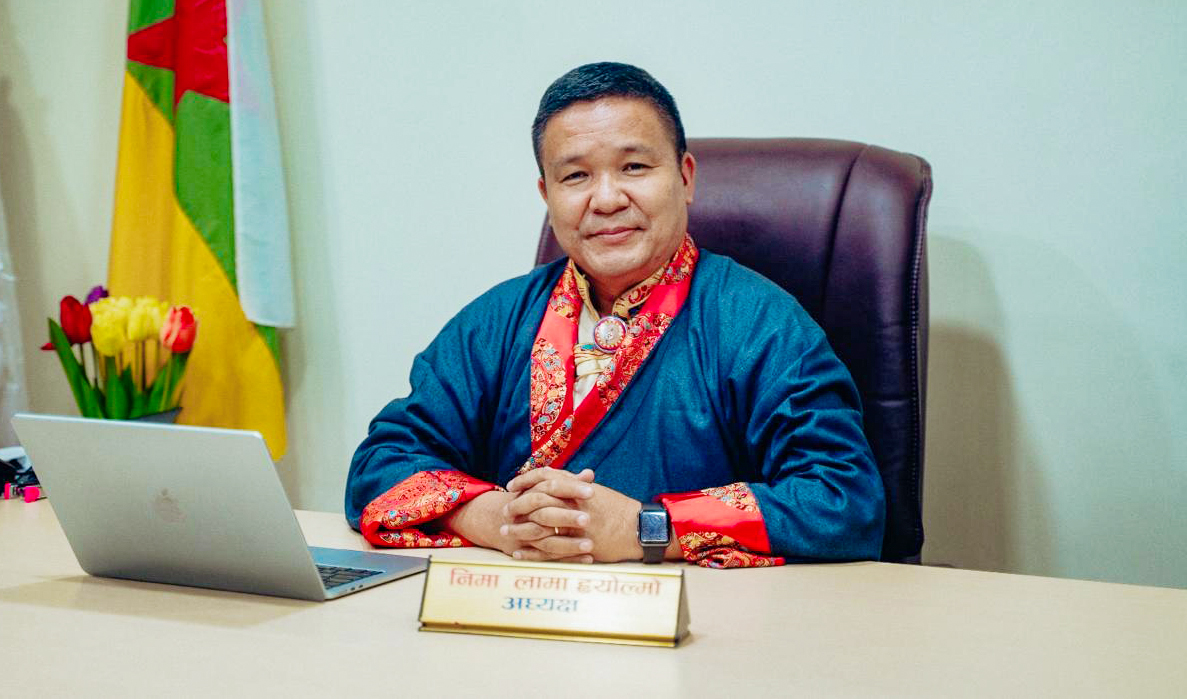

NEFIN aims to unite and strengthen Indigenous Peoples across Nepal by promoting and protecting their rights, identities, cultures, languages, traditional knowledge, and meaningful participation in national development. It advocates for the recognition and realization of Indigenous Peoples’ collective rights, inclusion, self-determination, and meaningful participation in decision-making at all levels.